What Lives in and Around the Saluda River: A Floater's Field Guide
One of the quiet rewards of a river float is the wildlife. You're low to the water, moving slowly, and if you keep your eyes open, the Saluda puts on a show. This stretch of river through Upstate South Carolina runs through a rich mix of riparian forest, shallow shoals, and calm bends, and that variety of habitat supports an impressive range of creatures. Here's a look at what you're likely to spot, and what to watch for.
The Birds
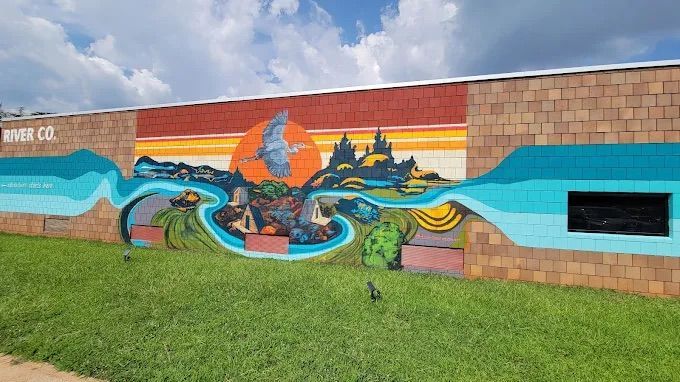
Great Blue Heron
You'll almost certainly see one. Blue herons are among the most common birds along the Saluda watershed, Upstateforever and they tend to stand completely still in the shallows until you drift just close enough to startle them. Then they lift off with that slow, prehistoric wingbeat and relocate about a hundred yards downstream. They're highly adaptable hunters, feeding mostly on fish but willing to take frogs, small birds, and even turtles when the opportunity arises. South Carolina Department of Natural Resources Their grayish-blue silhouette against the treeline is one of the most iconic sights on the river.
Belted Kingfisher
The kingfisher is smaller, louder, and faster. It's a small, blue-gray bird with a white chest and a band of blue and rusty orange, South Carolina Department of Natural Resources and it tends to announce itself with a distinctive rattling call before you ever see it. Look for it perched on a low branch overhanging the water, scanning the surface below. When it spots a fish, it drops straight down and hits the water like a dart. Kingfishers blend surprisingly well into fall foliage along the river, so they're easy to miss if you're not watching closely. Scwildlife
Osprey
Ospreys are a regular presence along the Saluda, Upstateforever and they're worth watching for. They circle high above the water, hovering when they spot a fish, then fold their wings and drop in a steep dive, hitting feet-first. Unlike most birds of prey, the osprey is almost exclusively a fish hunter, and the Saluda gives them plenty to work with.
Bald Eagle
Yes, really. The American Bald Eagle, once endangered but now recovering, is known to exist within the Saluda River watershed. Congareeriverkeeper Floaters on the upper Saluda have reported spotting them in the more remote stretches above the bridges, where the river takes on a genuine wilderness character. Scwildlife Sightings aren't guaranteed, but they happen, and it's worth scanning the tops of tall dead trees along the banks.
The Fish
The Saluda is a legitimate fishery. Largemouth bass, catfish, and bream can be found throughout the watershed, Upstateforever along with redbreast sunfish and redear sunfish in the warmer, shallower stretches. Warmwater species in the river system include chain pickerel, bluegill, carp, channel catfish, yellow perch, and gizzard shad. Thereserveonthesaluda
Even if you're not fishing, you'll likely see fish. On calm days, bass hold in the shade of overhanging trees and dart out to feed. Bream flash in the shallows. Keep an eye near the surface on slower bends and you may catch them rising to insects in the early morning.
The Turtles
Slider turtles are one of the most reliably visible animals on the river, often sunning themselves by the dozens on half-submerged logs and fallen trees along the banks. Scwildlife They're easiest to spot on calm, sunny days when they stack up on every available surface to warm up. The catch is they're skittish: a kayak coming too close will send them slipping off their perch one by one into the water with a soft splash. If you drift quietly, you can sometimes get within a few feet before they bail.
The Mammals
River Otter
River otters are present on the Saluda and neighboring river systems, though they tend to be elusive. Early morning floats give you the best shot at a sighting. You're more likely to hear them before you see them: a splash, a quick movement along the bank, and then a sleek brown shape sliding under the surface. Otters are known to eat almost any animal matter found in aquatic systems, including crayfish, fish, turtles, and waterfowl, South Carolina Department of Natural Resources which makes the Saluda good habitat for them.
White-Tailed Deer
Deer regularly come to the river's edge to drink, especially at dawn and dusk. If you're out early, keep an eye on the banks where the forest meets the water. They'll often stand and watch a passing kayak for a long moment before retreating into the trees.
A Note on the Edges
Some of the richest wildlife activity happens right at the transition between water and land. The root systems of sycamores and river birches that line our banks provide habitat for everything from nesting birds to crayfish. Even the debris and fallen trees left behind by Hurricane Helene now serve as new perches, shelter, and hunting grounds for the wildlife along this stretch. The river is always adapting, and so is everything that lives along it.
Tips for Spotting Wildlife on Your Float
Keep your paddle quiet on the water. Sound travels fast on a river, and most animals will hear you before they see you. If you want a closer look at something, stop paddling and let the current carry you. Early morning floats are almost always more productive for wildlife. And bring binoculars if you have them: the kingfisher and the bald eagle both reward a closer look.
The Saluda River is more than a float. It's a living system, and every trip down the water is a little different. Pay attention, and it will give you something to remember.